

Viewpoint: A Framework to Build a People First Workplace
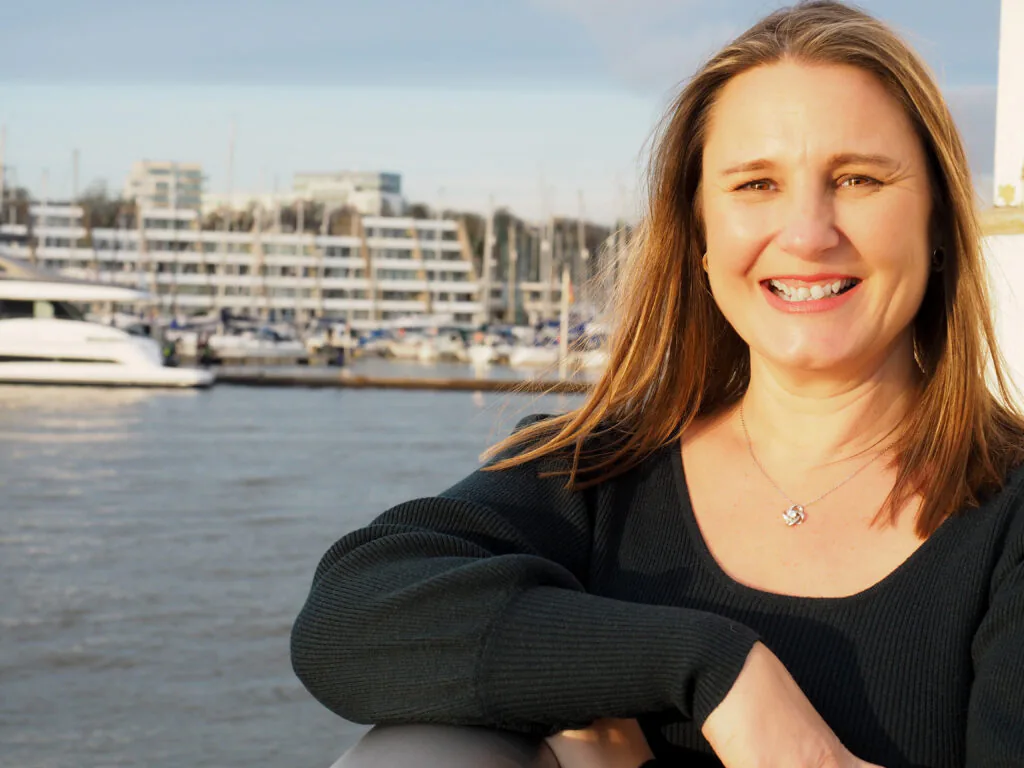
By Helen Hayes, Head of Wellbeing Services, G.R.I.T.
Workplaces are at a turning point. COVID-19 revealed that efficiency alone is not enough to sustain organisations through crisis. The question now is: what truly needs to change? How can we take the lessons of the past five years and build workplaces that embed resilience, both in people and systems, so they can adapt, recover and maintain wellbeing over time?
Building a People First workplace means recognising that sustainable success comes not just from what people produce, but from how well they are supported day to day. It’s my belief that the future demands a people-first approach where sustainability, adaptability and wellbeing shape organisational design.
The H.O.P.E. framework offers four pillars for leaders committed to that future:
- Human Context
- Organisational Living Systems
- Physical & Psychological Design
- Empowering Leadership & Measurement
Each pillar is about creating workplaces where people are supported as whole human beings, systems are adaptive, environments foster health, and leadership enables sustainable performance over time.
Human Context
People bring their whole selves to work. While they might try to leave parts of themselves at home, or suppress certain feelings during working hours, those parts are still present. Sustainable workplaces recognise this reality. True resilience begins when organisations treat employee health as more than an individual responsibility, making it an organisational outcome. We need to see employees not just as workers, but as whole people, whose mental, emotional and physical health is deeply shaped by the way we lead, design work and build culture.
We also need to pay greater attention to the holistic nature of health, recognising how mental and physical wellbeing are deeply intertwined. Chronic stress, burnout and overload don’t just affect mental health they can exacerbate pain, aggravate existing chronic health conditions, increase disease risk, reduce immunity and drive absenteeism. These effects extend beyond the individual, creating significant challenges and costs for the organisation.
Wellbeing is multi-dimensional: relationships, leadership, environment, fulfilment and professional support are just as essential as physical health.
By embedding this human context, resilience becomes less about coping under pressure and more about thriving through change.
Organisational Living Systems
Organisations aren’t machines; they’re living systems. Yet too many still operate with rigid, mechanistic approaches and policies. The HOPE model asks leaders to embrace principles of Human and Organisational Performance (HOP):
The principles behind HOP are extremely powerful yet simple: human error is normal, context drives behaviour, learning is vital, blame fixes nothing and how we respond matters.
Adopting a HOP mindset helps foster a resilience that comes from systems that respond, adapt, and learn, not punish. This mindset creates psychological safety, where employees can experiment, share ideas, and recover from setbacks without fear. It can even help to reframe the workplace itself as a health environment, not simply a zone for output.
Resilience also requires looking beyond symptoms to address systemic stressors such as poor role clarity, excessive workload, or broken communication loops. Rather than reacting with quick fixes, resilient organisations investigate the deeper “why” behind errors or strain.
A living system adapts, grows and regenerates. So should organisations. Applying HOP principles in everyday culture, processes, and operations allows organisations to absorb shocks, embrace change, and emerge stronger creating workplaces where people feel safe, supported, and empowered even in times of uncertainty.
Physical & Psychological Design
Sustainable workplaces are designed to support the whole person, body, mind, and emotions, with adaptability built in.
Physical environment matters. Research from the WELL Building Standard shows that healthier buildings (good air quality, lighting, ergonomic design, acoustics, etc.) lead to reduced absenteeism, improved productivity, and better mental states (WELL Certified). Features like access to nature, ergonomic furniture, noise control, daylight, and opportunities for movement are not luxuries, they are essential to resilience.
Job design is equally critical. Clarity of tasks, autonomy over how work is done, manageable workload, and the ability for employees to shape their roles (job crafting) help build sustainable energy rather than exhaustion. Here too, HOP offers an important reminder: design should reflect “work as done,” not “work as imagined.” Too often, roles are structured around an idealised picture of work that doesn’t match the reality of lived experience. Resilient organisations pay attention to actual working conditions and adapt accordingly.
Psychological environment plays a reinforcing role: connection, belonging, and emotional safety allow people to manage stress more effectively. During COVID-19 many organisations learned the hard way how fragile wellbeing is if the environment is isolating or uncertain.
When physical, job, and emotional design are aligned and grounded in the reality of how work actually happens, resilience is no longer a programme; it is built into the daily experience of work.
Empowering Leadership & Measurement
Leaders must act not just as overseers but as stewards of sustainability and resilience. They set tone, structure and priorities.
Leadership behaviours that matter include empathy, active listening, supporting life transitions (such as parenthood, illness, or late-career shifts), enabling autonomy and modelling adaptability. Leaders who show vulnerability often create greater trust and resilience in their teams.
Measurement is also central. Organisations should track metrics beyond output: trust, psychological safety, health outcomes, team climate, adaptability and whether people feel supported in change.
Here too, HOP offers a valuable lens: it encourages leaders to focus on leading indicators that reveal whether systems are holding up such as psychological safety, trust, and adaptation capacity rather than relying only on lagging indicators like revenue or error rates.
Organisations that invest in such leadership and metrics will be better able to respond not only to crisis, but to ongoing shifts in business strategies, technology and employee expectations.
Why This Matters Now
COVID-19 exposed what many already felt: workplaces designed only for output collapse under stress. People need adaptive systems, communities and environments that preserve human capacity.
Burnout, turnover, and disengagement are rising – if organisations ignore sustainability, they pay in lost productivity, higher costs, and reputational harm. In the UK alone, work-related stress, depression, and anxiety accounted for 17.1 million lost working days in 2022/23 (Mental Health Foundation).
Resilient systems are more sustainable over time, not just in economic terms but in human terms: lower attrition, healthier individuals, sustained innovation.
Bringing It to Life
Here are some practical levers organisations can pull now:
- Audit the sources of chronic stress: workloads, unclear roles, leadership behaviour.
- Redesign jobs with autonomy, clarity, and reasonable load.
- Invest in the physical workspace: air quality, lighting, ergonomic infrastructure. Extend these principles into remote and hybrid work.
- Cultivate psychological safety: train leaders, host open forums, and normalise safe failure and explore HOP.
- Track metrics like burnout incidence, trust, psychological safety, and adaptability, not just revenue or output.
A New Narrative for Work
The old story of work was simple: produce more and grow faster. But in today’s world, that story is failing. We need a new narrative, one where success is measured not only by results but by the health, trust, loyalty and resilience of the people who make those results possible.
H.O.P.E. provides that narrative. It reminds us that when organisations design with humanity in mind, they don’t just prevent harm, they unlock creativity, collaboration, and sustainable performance.
As we look to the future, the organisations that thrive will not be those that extract the most from their people, but those that invest the most in their people. Because in the end, human flourishing and organisational success are not competing goals—they are inseparable.
The future of work belongs to those who lead with H.O.P.E.
Helen Hayes is Head of Wellbeing Services for G.R.I.T and works with organisations to create healthy and people-centred cultures by bringing together G.R.I.T.s Health, Wellbeing, Leadership and HOP Services.
If you want to learn more about creating a HOP Culture or The H.O.P.E. framework get in touch
 English (UK)
  English